
HMS Phaeton
1782 Minerva-class fifth-rate frigate
Vessel Wikidata
* This information from Wikidata is available under the Creative Commons Attribution-ShareAlike License
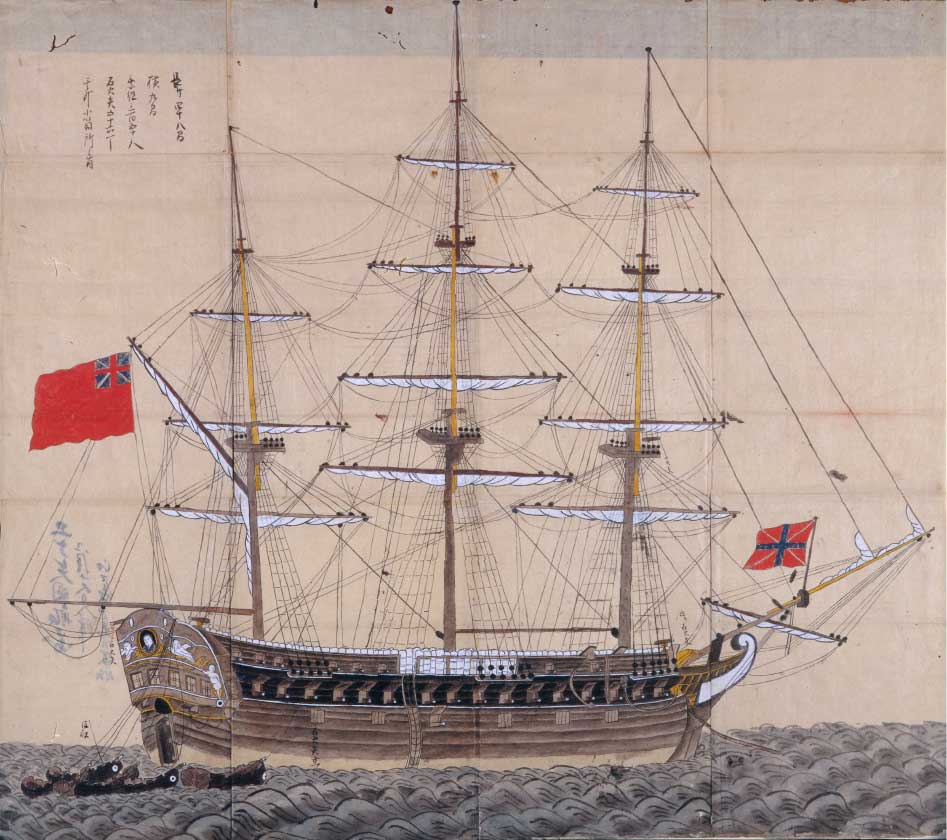
HMS Phaeton was a 38-gun Minerva-class fifth-rate frigate of the Royal Navy, built in Liverpool by John Smallshaw between 1780 and 1782. She featured a typical design for a fifth-rate frigate of her period, optimized for speed and agility, and was armed with 38 guns, though specific gun types varied throughout her service. Commissioned in March 1782, she quickly entered active duty, participating in numerous engagements during the French Revolutionary Wars and the Napoleonic Wars. Phaeton's service record was marked by notable successes, including the capture of the privateer Aimable Liberté in 1793 and the highly valuable prize of the Spanish ship St Jago, which was seized in 1793 with a cargo valued at over a million pounds, including large quantities of gold and silver. She actively participated in the Battle of the Glorious First of June in 1794, where she distinguished herself by aiding the dismasted ship Defence and exchanging broadsides with the French ship Impétueux, suffering casualties—her only support vessel casualties in the battle. Throughout her career, Phaeton was engaged in numerous prize captures, including French privateers and vessels of war, such as Bonne Citoyenne, Actif, and Flore, and recaptured British vessels. She also took part in cutting out expeditions, notably capturing the Spanish packet San Josef in 1800 under heavy fire, with Lieutenant Francis Beaufort leading the boarding party—the event earning him the Naval General Service Medal with clasp. In 1808, under Captain Fleetwood Pellew, Phaeton notably entered Nagasaki harbor under false colors, capturing Dutch representatives and demanding supplies, an incident that heightened Japanese coastal defenses. She served in various theaters, including the East Indies and the Mediterranean, supporting British military campaigns and diplomatic missions. After a lengthy service life, she was sold in 1828 for breaking up, having distinguished herself through her active and diverse career, exemplifying the versatility and reach of Royal Navy frigates during her era.
This description has been generated using GPT-4.1-NANO based on the Vessel's wikidata information and then modified by ShipIndex.org staff.