
HMS Sea Nymph
1942 S-class submarine
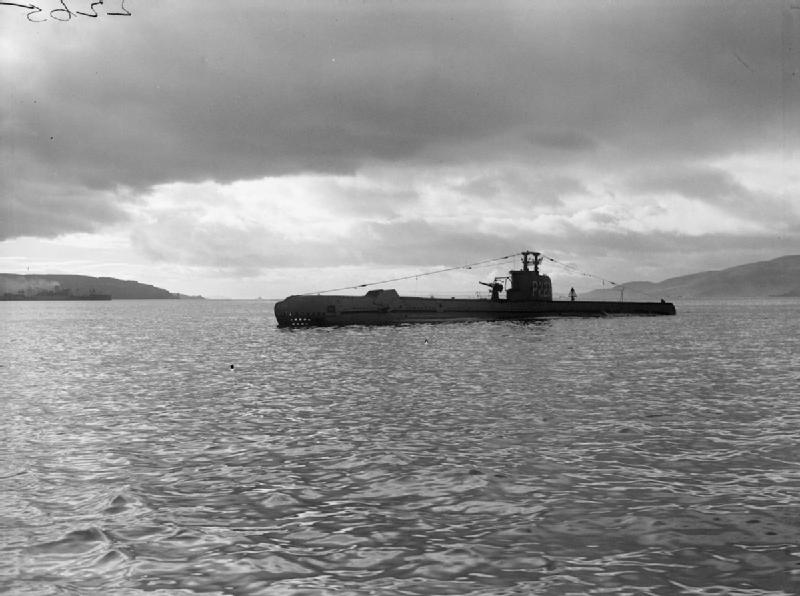
Vessel Wikidata
* This information from Wikidata is available under the Creative Commons Attribution-ShareAlike License
HMS Sea Nymph was a third-batch S-class submarine built for the Royal Navy during World War II. She measured 217 feet (66.1 meters) in overall length, with a beam of 23 feet 9 inches (7.2 meters) and a draught of 14 feet 8 inches (4.5 meters). Displacing 865 long tons (879 tonnes) on the surface and 990 long tons (1,010 tonnes) submerged, she was designed for patrol duties in restricted waters such as the North Sea and the Mediterranean. Her crew comprised 48 officers and ratings, and she was capable of diving to depths of 300 feet (91.4 meters). Powered for surface operations by two 950-brake-horsepower (708 kW) diesel engines, each driving a propeller, Sea Nymph could reach a top speed of 15 knots (28 km/h). When submerged, her twin electric motors produced 650 horsepower (485 kW) each, allowing a maximum submerged speed of 10 knots (19 km/h). Her operational range was approximately 6,000 nautical miles (11,000 km) at 10 knots on the surface, with a submerged endurance of 120 nautical miles at 3 knots. Armament included seven 21-inch (533 mm) torpedo tubes—six in the bow and one in the stern—carrying a total of thirteen torpedoes, with an option to carry twelve mines instead of torpedoes. She was also equipped with a 3-inch (76 mm) deck gun, and possibly a 20 mm Oerlikon AA gun. The third batch of S-class submarines was fitted with ASDIC and early-warning radar systems, enhancing her sonar and detection capabilities. Laid down on 6 May 1941 at Cammell Laird in Birkenhead and launched on 29 July 1942, she was commissioned as HMS Sea Nymph on 3 November 1942. Throughout her service, she conducted multiple patrols off Norway and in the Bay of Biscay, engaging enemy U-boats and merchant ships—though with limited success, missing several targets. She participated in Operation Source, towing a midget submarine towards the German battleship Tirpitz, which was scuttled due to technical issues. Later, she transported British agents to Norway and continued patrols until her deployment to the Pacific, which was curtailed after she caught fire in July 1945. After suffering damage from the fire, she was returned to Britain but was not repaired due to the imminent end of WWII. Instead, she was placed in reserve and ultimately scrapped in Troon, Scotland, in June 1948. HMS Sea Nymph's service exemplifies the strategic role of S-class submarines in WWII, emphasizing patrol, reconnaissance, and special operations in European waters.
This description has been generated using GPT-4.1-NANO based on the Vessel's wikidata information and then modified by ShipIndex.org staff.