
Madeira
shipwreck
Vessel Wikidata
* This information from Wikidata is available under the Creative Commons Attribution-ShareAlike License
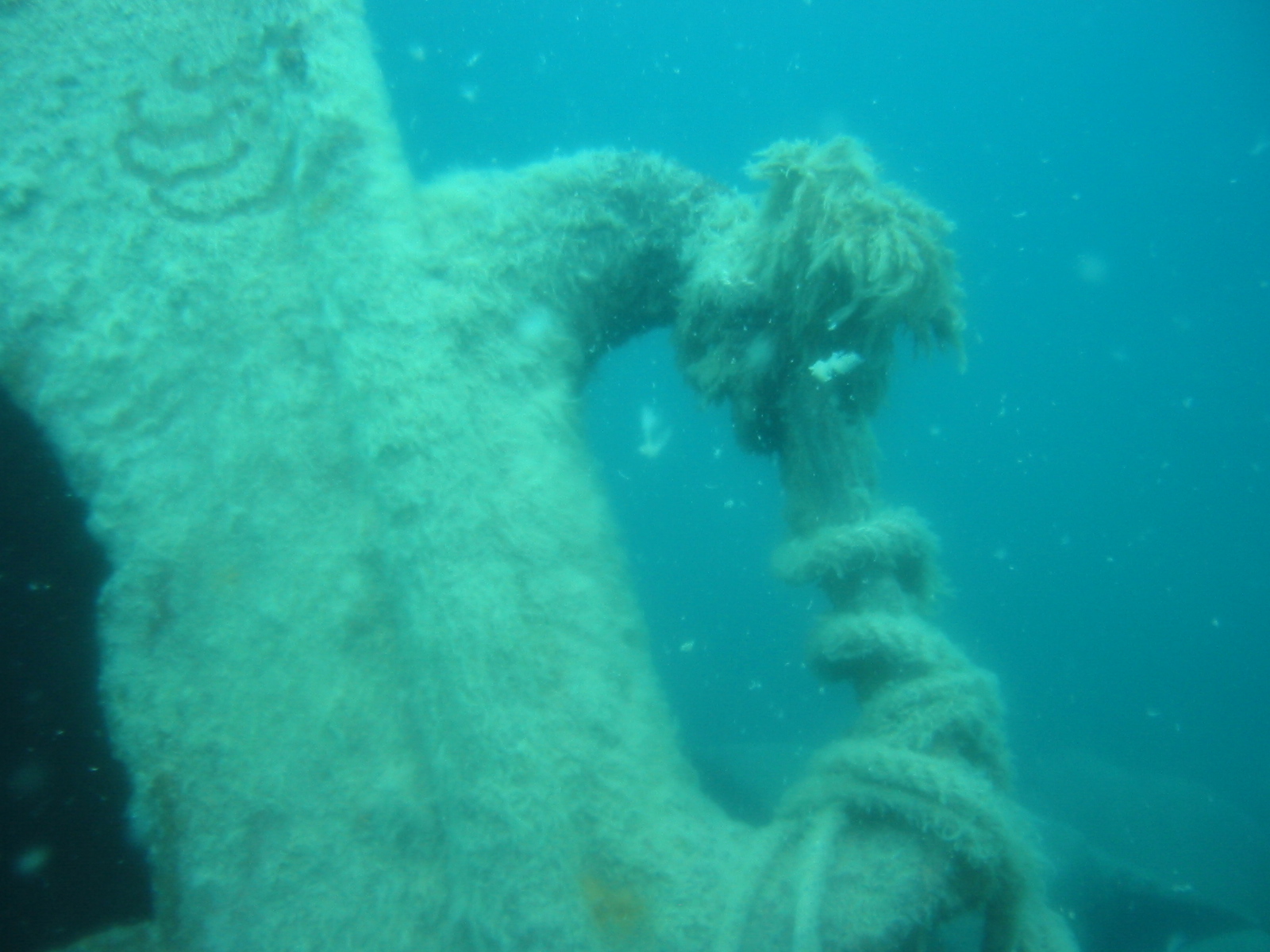
Madeira was a steel schooner barge built in 1900 by the Chicago Shipbuilding Company in Chicago. Constructed primarily of heavy riveted steel plates, the vessel featured a flat plate keel and was designed with a very flat and full hull form to maximize cargo capacity, a common characteristic of Great Lakes freight ships of its era. The ship’s construction incorporated both steel and wood joinery, reflecting early 20th-century shipbuilding practices. As a schooner barge, Madeira was towed by steam-powered vessels, combining sailing rigging with modern propulsion to facilitate the transportation of bulk cargoes such as grain and iron ore across the Great Lakes. Throughout its service, Madeira was mainly used for freight, with its most notable incident prior to its sinking being a collision with the Sault Ste. Marie International Bridge in 1902. On November 28, 1905, while being towed by the steamer William Edenborn, Madeira encountered a severe storm on Lake Superior, with winds reaching 70 to 80 miles per hour and heavy snow. In the face of the storm, the captain of William Edenborn decided to cut Madeira loose to save his ship. Despite speculation that the crew attempted to anchor and weather the storm, post-wreck evidence showed both anchors remained at the bow, indicating they were still secured at the time. The vessel was driven into Gold Rock cliffs, where it was wrecked. During the incident, one crew member escaped safely by leaping ashore with a safety line, and eight others were rescued two days later by the tug Edna G. Tragically, the first mate went down with the ship. The wreck of Madeira now lies broken into three sections in Lake Superior. The bow section is upside-down in 40 to 50 feet of water, while the stern, containing a large steam winch and open hatches, rests on its starboard side at 65 feet. The pilot house is located at 75 feet. The wreck has become a site for divers and cave explorers, with initial exploration in 1955 revealing minimal treasure but significant historical interest. Salvage efforts in the 1960s removed artifacts such as an anchor and ship’s wheel, now displayed at a nearby trading post. Today, Madeira remains a notable maritime relic in the Great Lakes region, illustrating early 20th-century ship design and the hazards faced by Great Lakes shipping.
This description has been generated using GPT-4.1-NANO based on the Vessel's wikidata information and then modified by ShipIndex.org staff.