
Venus
Swedish frigate
Vessel Wikidata
* This information from Wikidata is available under the Creative Commons Attribution-ShareAlike License
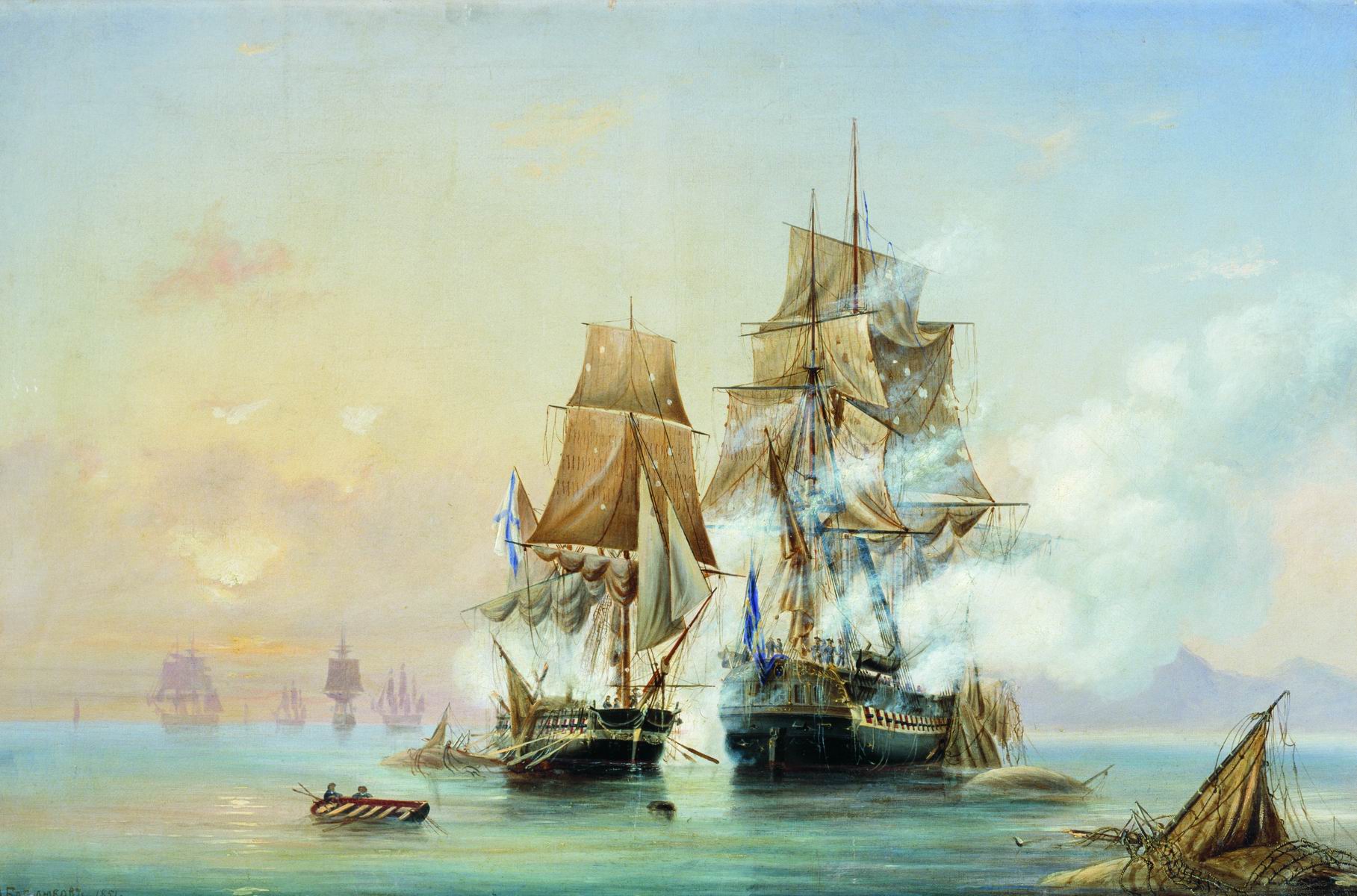
The Swedish frigate Venus, launched on July 13, 1783, at Karlskrona, was a notable vessel designed by Fredrik Henrik af Chapman as part of the Bellona class—Sweden's first 'super-heavy frigates.' These ships were equipped with 24-pounder long guns, intended to challenge ships of the line and serve as formidable maneuverable combatants in the Baltic and North Sea. Venus's dimensions and detailed construction specifics are not provided in the source, but her armament indicates she was heavily armed for a frigate of her time. Venus's service history was marked by notable engagements and a significant capture. In 1786, she sailed to Gothenburg, where she was under the command of Adolf Ulrik Sheldon. In 1789, while part of the Gothenburg Squadron commanded by Major Magnus Hansson, Venus was patrolling Norwegian waters near Christiania (modern Oslo). On May 31, 1789, she encountered a Russian squadron. Despite her excellent sailing abilities, a change in wind left her cornered by superior Russian forces. After a fierce engagement, Venus attempted to reach neutral waters for safety but was pursued into the Oslofjord, where she was ultimately captured by Russian ships. The engagement led to diplomatic and legal disputes, with Swedish officers criticizing the loss and Russian sources emphasizing the capture. Commander Hansson was court-martialed but received a mild sentence, indicating the court's recognition of the circumstances. Following her capture, Venus served in the Russian Navy, participating in the Battle of Reval and the Battle of Vyborg Bay in 1790 under Admiral Roman Crown. She also visited Holland in 1795 and Great Britain during 1795–1797 and 1799–1800, where British drawings of her were made. By 1799, she carried 46 guns, reflecting her continued heavy armament. Her service extended into the Mediterranean, serving in the Adriatic Sea between 1805 and 1807 and in the Aegean Sea in 1807. To avoid capture by the British, Venus was sold to the Kingdom of Naples in Palermo in 1807. Her career underscores her importance as a heavily armed frigate and her role in the naval conflicts of the late 18th and early 19th centuries.
This description has been generated using GPT-4.1-NANO based on the Vessel's wikidata information and then modified by ShipIndex.org staff.