
Edwin Fox
Sailing ship
Vessel Wikidata
* This information from Wikidata is available under the Creative Commons Attribution-ShareAlike License
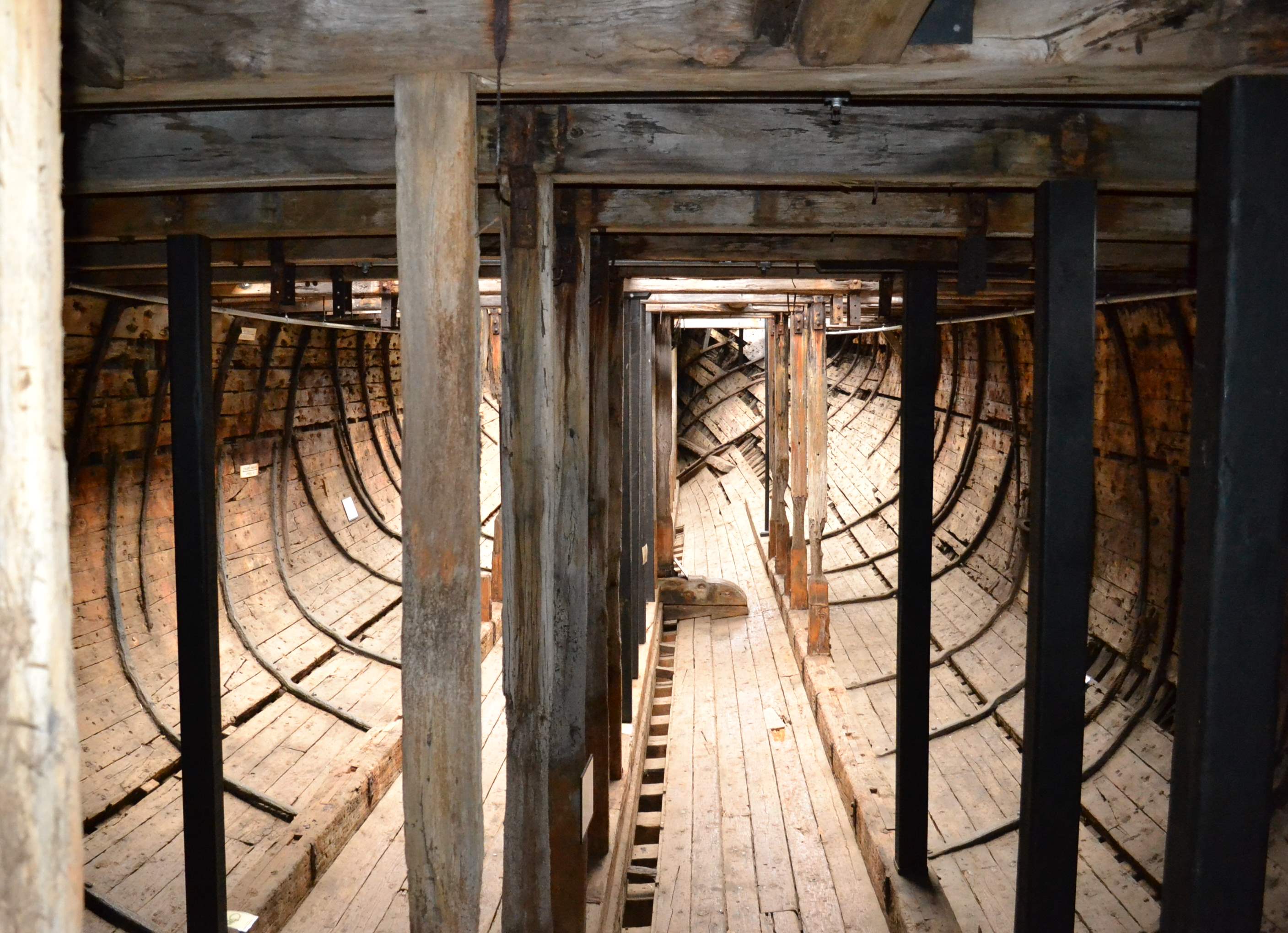
The Edwin Fox is a historically significant merchant sailing ship, recognized as one of the world's oldest surviving vessels of its kind. Built in 1853 in Calcutta from teak wood, the ship exemplifies British maritime craftsmanship of the mid-19th century. Her hull remains the only intact example of a wooden deep-water sailing ship constructed to British specifications outside the Falkland Islands, underscoring her unique preservation status. Originally launched for service across the Indian Ocean, her maiden voyage was to London via the Cape of Good Hope. She quickly transitioned into various roles, serving as a troop ship during the Crimean War, and later as a passenger and cargo vessel. Her first voyage to Melbourne commenced on 14 February 1856, marking her involvement in migration and trade. The Edwin Fox also traded between Chinese ports before being chartered by the British Government in 1858 to transport convicts to Fremantle, Western Australia. In 1867, the ship was converted from a full-rigged ship to a barque, enhancing her suitability for long-distance voyages. From 1873, she primarily carried emigrants to New Zealand, completing four voyages that transported a total of 751 settlers. The voyages were arduous, with harsh conditions and significant loss of life, reflecting the difficulties faced by migrants of that era. As maritime technology advanced, the Edwin Fox was repurposed. In the 1880s, she was converted into a floating freezer hulk to support New Zealand's sheep industry. She was towed to Picton in 1897, serving as a freezer ship and later as a coal store hulk after 1905, with much of her rigging and fittings removed. She remained in use until 1950, after which she was abandoned. In 1965, the Edwin Fox was acquired by the Edwin Fox Society and eventually moved to Picton, where her hull was preserved as a museum. Today, she is docked at The Edwin Fox Maritime Centre, accessible to visitors, and has received recognition from Heritage New Zealand with a Category I registration. The vessel has been extensively documented through 3D scanning and archaeological studies, securing her place as a vital symbol of maritime and migration history.
This description has been generated using GPT-4.1-NANO based on the Vessel's wikidata information and then modified by ShipIndex.org staff.