
HMCS Algonquin
1943 U and V-class destroyer
Vessel Wikidata
* This information from Wikidata is available under the Creative Commons Attribution-ShareAlike License
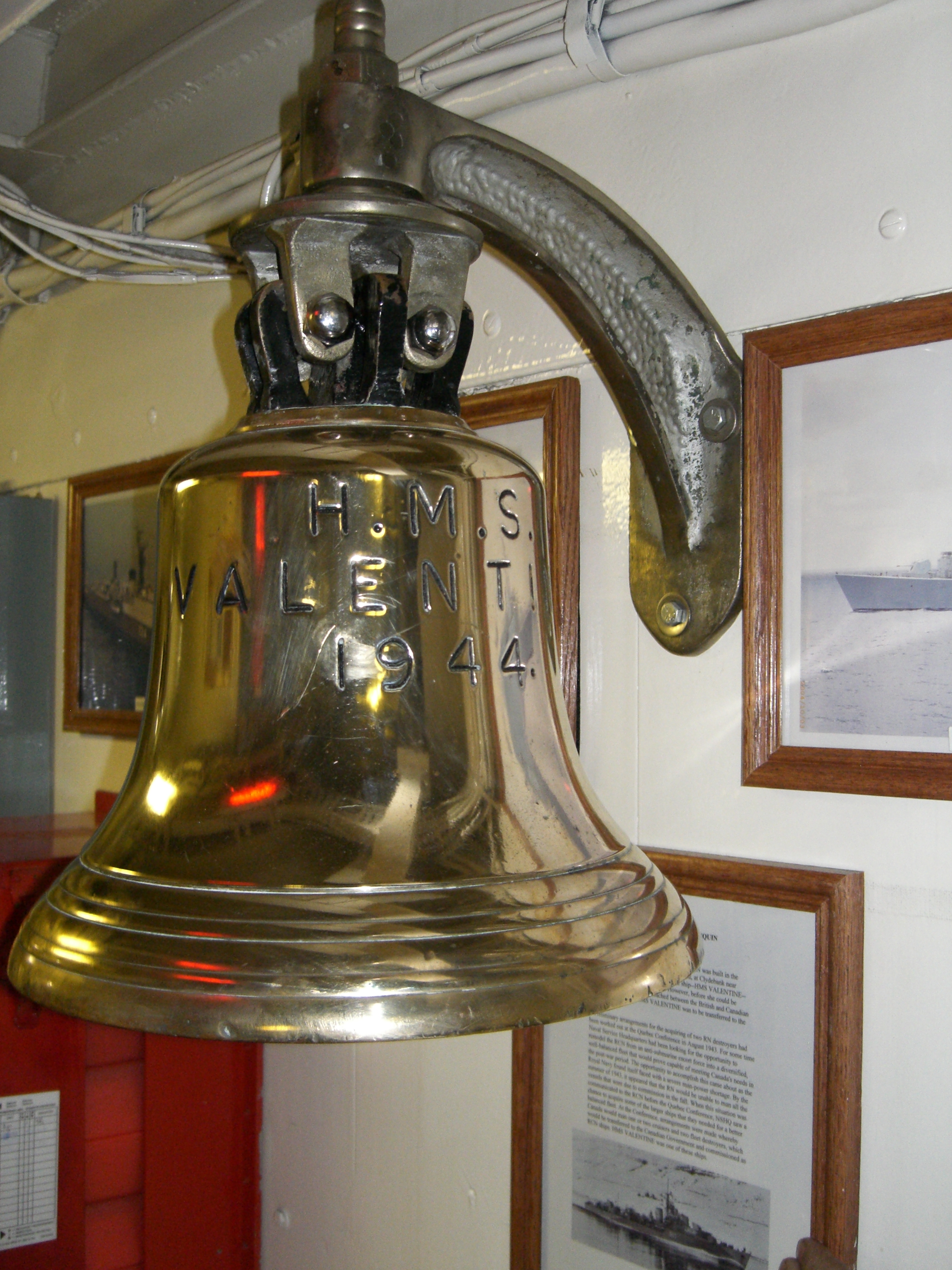
HMCS Algonquin was a V-class destroyer originally laid down for the Royal Navy as HMS Valentine (R17), with her keel being laid on 8 October 1942. She was launched on 2 September 1943 and was later transferred to the Royal Canadian Navy, being commissioned as HMCS Algonquin on 28 February 1944. Initially ordered as Kempenfelt, her name was changed to Valentine in 1942 before her launch, and subsequently to Algonquin upon her transfer to Canada. Constructed during World War II, Algonquin was a formidable escort vessel, participating in key naval operations across the Atlantic and Norwegian waters. She served prominently in the British Home Fleet’s 26th Destroyer Flotilla, engaging in operations such as the bombing of the Tirpitz in March 1944 and hunting German ships near the Norwegian Lofoten Islands. Algonquin played a vital role in supporting the D-Day landings, providing naval gunfire support to Canadian forces on Juno Beach on 6 June 1944, targeting enemy fortifications and sniper positions with her guns, and ferrying high-ranking personnel such as Vice-Admiral Percy W. Nelles and General Harry Crerar. Throughout her wartime service, Algonquin was involved in numerous operations, including attacking German shipping, escorting convoys to Murmansk, and participating in attacks on German-held Norway. Notably, she assisted in rescuing crew members from the torpedoed escort carrier HMS Nabob in August 1944. Her service extended into 1945, escorting convoys and conducting airstrike support missions until she was tropicalized for Pacific deployment, though she arrived in the eastern Mediterranean just as the war concluded. Post-war, Algonquin was modernized to a Type 15 frigate in 1953, marking a significant upgrade. She served primarily on the Atlantic coast, leading the First Canadian Escort Squadron and participating in NATO exercises such as "New Broom II" and "Morning Mist." Her career was marred by a collision with HMCS Nootka in 1958 but continued until her decommissioning on 1 April 1970. She was sold for scrap and dismantled in Taiwan in 1971, remaining a notable example of wartime Canadian naval resilience and modernization.
This description has been generated using GPT-4.1-NANO based on the Vessel's wikidata information and then modified by ShipIndex.org staff.