
HMS Daedalus
1826 Leda-class fifth-rate frigate
Vessel Wikidata
* This information from Wikidata is available under the Creative Commons Attribution-ShareAlike License
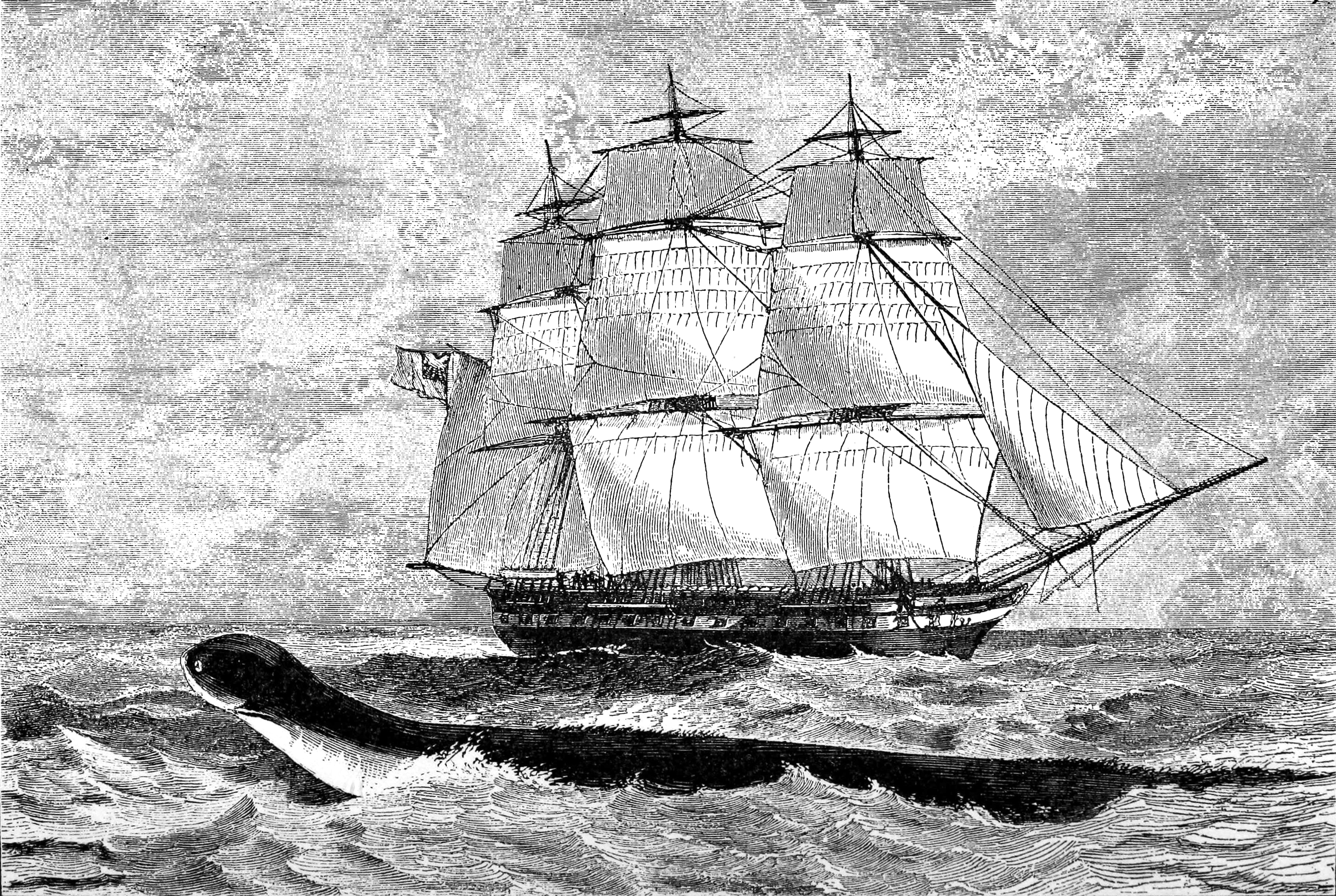
HMS Daedalus was a 19th-century Royal Navy warship initially launched in 1826 as a fifth-rate frigate of 46 guns, classified within the Modified Leda class. Her construction featured a typical frigate design, but she was never commissioned in her original role; instead, she was roofed over fore and aft and laid up in Ordinary (reserve). After spending 18 years in reserve, she underwent significant modification in 1844 at Woolwich Dockyard, where she was raséed—cut down into a smaller, more streamlined vessel—reducing her armament to 19 guns and converting her into a corvette. In her later years, HMS Daedalus was stationed at Plymouth Dockyard from 1853. Between March and June 1851, she was fitted out as a training ship, serving as a drill vessel for the Royal Naval Reserve at Bristol. This role persisted until September 1910 when she was paid off, and she was subsequently sold in 1911 for dismantling at Bristol. One of the vessel’s most notable moments occurred on 6 August 1848, during a voyage en route to St Helena at approximately eight miles per hour (around 7 knots). Captain M'Quhae and his crew reported a remarkable sighting of a sea serpent off the coast of modern-day Namibia, between the Cape of Good Hope and St Helena. The crew described the creature as enormous, with a head about four feet out of the water and a total length estimated at sixty feet, with an underwater portion possibly extending another thirty to forty feet. The serpent was dark brown with yellowish-white markings near the throat, moving rapidly and passing so close that the captain claimed he might have recognized its features if it had been a human. The creature’s head was snake-like, and it had no fins, but a mane-like appendage resembling seaweed. The sighting was significant enough to be reported in The Times, stirring debate and curiosity about marine phenomena. In 2015, some scientific speculation suggested that what the crew saw might have been a sei whale, indicating a possible natural explanation for the legendary sighting. Throughout her service, HMS Daedalus exemplifies the transitional period of naval evolution, from a classic frigate to a corvette and training vessel, with her 1848 sea serpent encounter adding an intriguing chapter to maritime folklore.
This description has been generated using GPT-4.1-NANO based on the Vessel's wikidata information and then modified by ShipIndex.org staff.